ADULT SUPPORT RESOURCES
FAITH BASED SCHOOLS AND ORGANIZATIONS
“I took the Sold Out Pledge …… I have now realized the dangers of Fentanyl.”
“Train up a child in the way he should go, and when he is old he will not depart from it.”

Every day our students step out the door, they enter a high-stakes world where their spiritual, mental, and physical limits are tested. As the leaders of youth, we are called to do more than simply watch from the sidelines—we are called to actively protect, nurture, and prepare our children to lead purposeful lives in service to God.
Our streamlined, research-driven curriculum equips your ministry leadership, school staff, volunteers, and families with life-saving field directives and critical resources to demolish the noise and mitigate tragedy before it strikes. By arming parents with verified facts in the privacy of their own homes, we break down administrative barriers, establish deep trust, and ignite the vital, honest conversations needed to keep our students safe and 100% clean.
This program is your ultimate tactical playbook to cultivate an unbreakable mindset in the next generation. Beyond shielding your immediate ministry, this platform provides a powerful bridge for your church and parents to get actively involved and serve as a beacon of hope in your local schools. We are in this huddle together, standing firm on the frontline to guard the lives of our children. Explore our media hub, run the parent playbook, and let’s work together to lead our families to absolute victory.
“For I know the plans I have for you,” declares the Lord, “plans to prosper you and not to harm you, plans to give you hope and a future. Then you will call on me and come and pray to me, and I will listen to you.”
God Bless,
Roman Gabriel – CEO Sold Out Youth Foundation
Mobilizing the Defense: A Tactical Outline for Faith Leaders and Parents
- The Unprecedented Enemy: Today’s youth are navigating a hyper-dangerous landscape where drugs, alcohol, and illicit fentanyl poisoning have surged to become the #1 killer of teenagers in America.
- The Weekly Casualty Rate: This silent crisis tragically claims the lives of as many as 22 students every single week.
- The Digital Storm: Traffickers seamlessly infiltrate digital spaces and peer circles, weaponizing a massive storm of misinformation, social media stigma, and constant temptation.
- The Deceptive Comfort Trap: The most dangerous error any Christian parent, youth pastor, or educator can make is falling into the false comfort of thinking, “This could never happen to my student.”
- No Automatic Immunity: The enemy actively relies on our denial. No family or student—regardless of how deeply rooted in the faith, church, or Christian school environment—is automatically immune to deceptive substance traps.
- The Cost of Passive Avoidance: Relying on passive avoidance or assuming exposure won’t happen sets a dangerous trap that leaves students completely unprotected.
- Taking the Field: Instead of waiting for a crisis or tragedy to strike your family, ministries and school leadership must proactively go on the offensive.
- The Unified Ecosystem: True victory cannot be achieved in isolation; it requires a coordinated, active playbook shared equally between the sanctuary, the classroom, and the home.
- Establishing the Line of Defense: Our mission is to build a firm, realistic, and unshakeable shield of awareness that equips students to shut out cultural noise and claim their personal victory.
I. True victory requires a proactive, unified strategy between the sanctuary, the classroom, and the home.
SOYF is dedicated to partnering with churches and faith-based schools to deploy a comprehensive substance defense platform that handles the heavy lifting for your ministry. For 16 years, we have delivered a trusted, proven prevention framework designed to fit seamlessly into your existing classroom programming. Built for students from K-4 through K-12, our self-executing online visual learning modules require zero prep or manual administrative work from your staff or school principals. Your students miss little to no classroom time, while your ministry gains a highly flexible, measurable, and sustainable tool to fulfill critical safety and character development needs.
Sold Out‘s Mission is to educate, encourage, and challenge students to live a life of alcohol and drug abstinence in order to significantly lessen, if not eradicate, the number of young individuals who are dying each year from alcohol and drugs, specifically fentanyl.
Sold Out’s Purpose: Saving lives by providing a critical in school education program through online drug and alcohol abstinence education, and Fentanyl education. Providing student life skills training supporting school administration and staff, parents, and students K-4 through K-12.
Right now, 66.5% of high school seniors don’t see taking a narcotic like Vicodin, OxyContin, or Percocet once or twice as a great risk.
In 2024, the DEA seized 80 million fake pills, and half contained a potentially lethal dose of fentanyl.
FENTANYL TOOLKIT: EASY STEPS TO EDUCATE KIDS AND PROMOTE SAFETY
Step 1: Watch the “Dead on Arrival” Video: Start by directing kids to watch the “Dead on Arrival” video, which can be found on the “Sold Out Fentanyl Understanding” web page www.soldouttv.com. This powerful video portrays the real-life consequences of fentanyl use and helps create awareness about its dangers. A great tool to share with your friends.
Step 2: Online Resources and Tools: Utilize the Sold Out Youth Foundation Fentanyl Understanding web page and platform, along with PLA College Accredited Curriculum with Teachers Guide. https://soldouttv.com/
Step 3: Interactive Presentations: Organize interactive presentations that use engaging visuals and relatable examples to explain the risks of fentanyl. Cover topics such as overdose, addiction, short and long-term health effects (see resources below). Encourage participation and answer any questions to ensure a clear understanding.
Step 4: Peer-to-Peer Activities: Facilitate peer-to-peer activities where kids can openly discuss their experiences, concerns, and questions related to fentanyl. Encourage small group discussions, role-playing scenarios, or open forums that provide a safe space for sharing and support. See Parental Discussion questions on the Sold Out Fentanyl Education Page.
Step 5: Prevention Strategies and Support: Equip kids with practical prevention strategies to protect themselves and their friends. Teach them to say no to peer pressure, identify safe and trusted sources of information, and promote healthy coping mechanisms for stress or difficult emotions. Provide information about helplines and support resources for those in need.
By following these five steps, you can develop a comprehensive toolkit that educates students about the dangers of fentanyl, promotes safety, and empowers them to make informed choices. Remember, it’s crucial to regularly evaluate and update the toolkit to ensure its effectiveness and relevance.

- What is fentanyl? Fentanyl (artificial opioid) is a powerful painkiller. It’s effective medicine for treating severe pain, but sadly, it’s also being misused and has a terrible abuse rate.
- How powerful is it? Fentanyl is way stronger than morphine—like 80 to 500 times more powerful! That means if someone abuses it, even a tiny amount can cause them to stop breathing and die. It’s really dangerous.
- Why is it risky to try fentanyl? Fentanyl is usually given to people who are already used to opioids. But if someone tries it for fun (recreationally) or experiments with it without being used to opioids, they’re at a very high risk of overdosing—even with a small dose or on the first try. It’s crazy, but just two grains of salt can be a lethal dose!
- How does fentanyl affect people? Sadly, fentanyl has become the number one cause of deaths among teenagers and young adults aged 18-45. In just one year (4/20- 4/21), almost twice as many deaths in the 18-45 age range as COVID-19 (21,335), cancer (17,114), car accidents (22,442), and suicide (21,678).
- Why is fentanyl mixed with other drugs? Fentanyl is not only used by itself—it’s also mixed with other common street drugs. It’s cheaper than heroin and nearly 50X stronger. Shockingly, last year, in 75% of cocaine deaths and 50% of methamphetamine deaths. It can also be mixed in with marijuana, vape products, and pressed into everyday pills you would get from a pharmacy, or made to look like candy such as Skittles (Rainbow Fentanyl). The fentanyl is mixed in without people even knowing it.
- What are Fentanyl side effects?
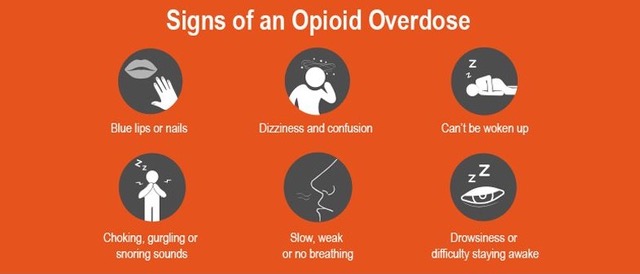
Fentanyl’s effects include the most concerning side effect of all opioids is respiratory issues: slow, weak, or no breathing. Others include choking or gurgling sounds, happiness, drowsiness, nausea, confusion, constipation, cold and clammy skin, sedation, limp body, small constricted pupils, and falling asleep or losing consciousness. People addicted to fentanyl who tries to stop taking it will likely experience severe withdrawal symptoms just a few hours after the drug was last taken. These symptoms include muscle and bone pain, diarrhea and vomiting, cold flashes, uncontrollable leg movements, problems, and severe cravings. Any one of those symptoms are uncomfortable, making it really difficult to stop cold turkey.
Students, remember, the most important thing is to stay away from trying any drugs or substances that aren’t prescribed by a trusted healthcare professional. When you get drugs from unreliable sources, like social networks (TikTok), or friends, it’s impossible to know what you’re actually getting. Here are some important things to know:

- You Can’t Be Sure What’s Inside: Illicit drugs bought through social networks may have harmful substances like fentanyl mixed in. Since you can’t know for sure what’s in them, it’s incredibly risky to use them.
- Fake Pills Can Be Deadly: Some people sell fake pharmaceutical pills online or through social networks that look like the real thing but contain dangerous amounts of substances like fentanyl. Never take medications that aren’t prescribed to you by a trusted doctor.
- Fentanyl is Extremely Dangerous: Fentanyl is an incredibly strong opioid that can cause serious harm, even in tiny amounts. It’s often added to other drugs, making them highly dangerous and potentially deadly.
- Stay Informed and Make Smart Choices: Educate yourself, and your friends about the risks associated with substance use, including the dangers of fentanyl-laced products. By staying informed and making smart decisions, you can prioritize your well-being and stay safe. Experimenting with drugs or other substances is out if you want to guarantee to stay alive.
7. What do you do if your friend is on drugs or overdosing?
Tell a teacher or coach immediately, seconds matter.
Call 911
Administer Naloxone (“Narcan”) if you have it.
Naloxone is an antidote for opioid overdose. Immediately administering naloxone can reverse an overdose of fentanyl, carfentanil, or other opioids.
Sixty four percent (64%) of all drug “overdoses” can be traced back to fentanyl, and less than 1% of all fentanyl deaths were labeled suicides last year, according to the CDC. Meaning that 99% of all fentanyl deaths were unintentional. (Families Against fentanyl (FAF 2024).
8. SnapChat can Be Deadly.
Remember, your health and safety should always come first. Avoid using drugs or substances from unreliable sources, and reach out to your parents, trusted healthcare professionals, or support networks (school counselor, teacher, coach) if you or someone you know is struggling with substance use. Your well-being matters, and there are people who can help you make healthier choices.
There are several reasons for the increase in Fentanyl in our country and we want to make sure that we are informing our education system the dangers of this drug. It’s really important to spread awareness about the dangers of fentanyl. We need to make sure school staffs, parents, and you the students, and everyone around us understands the risks involved with this drug. Stay informed, stay safe, and look out for one another! And be sure to take the Sold Out Student Pledge here
Fentanyl, a dangerous synthetic opioid, can be found laced in various illicit recreational drugs. It’s crucial for teens to understand the risks associated with these substances.

Dangerous Substances that can Impact Teenagers
Fentanyl
- National Institute on Drug Abuse (NIDA) – Fentanyl Overview: https://www.drugabuse.gov/drug-topics/fentanyl
- Substance Abuse and Mental Health Services Administration (SAMHSA) – Fentanyl Fact Sheet: https://store.samhsa.gov/product/Fentanyl-Fact-Sheet/SMA17-5054
- Drug Policy Alliance – Fentanyl Information: https://drugpolicy.org/drug-facts/fentanyl
Zylaxine
Chlorphine
Cychlorphine (N-Propionitrile Chlorphine)
N-propionitrile 5-chloro desmethylbrorphine
Medetomidine (Rhino Tranq)
Methamphetamine
Carfentanil (Carfentanyl)
[1, 2]
Kratom
Plant based substance native to Southeast Asia, Kratom leaves contain two major psychoactive ingredients (mitragynine and 7-hydroxymytragynine). It can cause addiction, withdrawal, seizures, and liver toxicity. At low doses, kratom produces stimulant effects with users reporting increased alertness, physical energy, and talkativeness. At high doses, users experience sedative effects. Individuals addicted to kratom exhibited psychotic symptoms, including hallucinations, delusion, and confusion. In the U.S., the abuse of kratom has increased markedly in recent years. Kratom cannot be detected by standard Fentanyl Test Strips
NITAZINE
The Danger of Hidden Mixtures
Prescription Drugs
- Substance Abuse and Mental Health Services Administration (SAMHSA) – Prescription Drug Misuse and Abuse: https://www.samhsa.gov/prescription-drug-misuse-abuse
- National Institute on Drug Abuse (NIDA) – Prescription Drugs: https://www.drugabuse.gov/drug-topics/prescription-drugs
- RxSafetyMatters: https://www.rxsafetymatters.org/
- When purchasing medications online, you can check the validity of a website by using NABP’s “Safe Site Search Tool” https://safe.pharmacy/buy-safely/
Marijuana
- National Institute on Drug Abuse (NIDA) – Marijuana: https://www.drugabuse.gov/drug-topics/marijuana
- American Addiction Centers – Marijuana Facts: https://americanaddictioncenters.org/marijuana-rehab
- Smart Approaches to Marijuana (SAM): https://learnaboutsam.org/
Vaping
- Truth Initiative: https://truthinitiative.org/
- Centers for Disease Control and Prevention (CDC) – E-Cigarette/Vaping Resources: https://www.cdc.gov/tobacco/basic_information/e-cigarettes/index.htm
- Campaign for Tobacco-Free Kids: https://www.tobaccofreekids.org/
Drug and Alcohol Abstinence
- Partnership for Drug-Free Kids: https://drugfree.org/
- National Institute on Drug Abuse (NIDA) for Parents: https://www.drugabuse.gov/parents-teachers
- Above the Influence: https://abovetheinfluence.com/
- Key statistics about teen alcohol and drug abuse
- 73% of 10th graders have never used illicit drugs in their lifetime. [1]
- Youth who start drinking before age 15 are 7 times more likely to develop alcohol use disorders as adults than those who wait until after age 18. Early initiation of drinking is associated with the development of an alcohol use disorder later in life. Addiction is more likely to start in the teen years and that’s why delayed first-time use is so important. [2]
- 93% of 8th graders have not vaped nicotine in the last 30 days. [3]
- Most high school seniors (94%) don’t use marijuana regularly. [4]
- Only 14% of 10th graders have been drunk in the last month. [5]
- More than 107,000 Americans died of an overdose in 2023 fueled by illicit fentanyl. [6]
- After first trying cannabis or misusing prescription drugs, the percentages of young people who develop the corresponding substance use disorder are higher among adolescents (ages 12-17) than young adults (ages 18-25). [7]
- Underage drinking contributes to the 3 leading causes of death (unintentional injury, homicide, and suicide) among persons aged 12 to 20 years. [8]
- Early-onset of regular marijuana use among adolescents is linked to a decline in IQ and is associated with educational dropout. [9]
Cocaine
- National Institute on Drug Abuse (NIDA) – Cocaine: https://www.drugabuse.gov/drug-topics/cocaine
- Foundation for a Drug-Free World – Cocaine: https://www.drugfreeworld.org/drugfacts/cocaine.html
- National Council on Alcoholism and Drug Dependence (NCADD) – Cocaine and Crack: https://www.ncadd.org/about-addiction/drugs/cocaine-and-crack
Heroin
Mental Health
- National Alliance on Mental Illness (NAMI) – Mental Health Conditions: https://www.nami.org/learn-more/mental-health-conditions
- Mental Health America (MHA): https://www.mhanational.org/
- Child Mind Institute: https://childmind.org/
Suicide Prevention
- National Suicide Prevention Lifeline: https://suicidepreventionlifeline.org/
- American Foundation for Suicide Prevention: https://afsp.org/
- Suicide Awareness Voices of Education (SAVE): https://save.org/
Social Networking Responsibility
- Common Sense Media – Social Media and Self-Esteem: https://www.commonsensemedia.org/social-media/social-media-and-self-esteem
- ConnectSafely: https://www.connectsafely.org/
- National Online Safety: https://nationalonlinesafety.com/
Dangers of TIKTOK
Here are three links that provide information on the potential dangers of TikTok for teenagers:
- Cyberbullying Research Center – TikTok Safety Guide: This guide provides information on how to stay safe while using TikTok and addresses the potential risks and dangers associated with the platform. Link: https://cyberbullying.
org/tiktok-safety-guide - Common Sense Media – TikTok App Review: This review provides an overview of TikTok, including its content, privacy settings, and potential risks for teenagers. It offers guidance for parents on how to ensure a safe experience for their children. Link: https://www.
commonsensemedia.org/app- reviews/tiktok - National Online Safety – TikTok Online Safety Guide: This guide highlights the safety concerns related to TikTok, including privacy settings, inappropriate content, and potential online grooming. It offers tips and advice for parents and teenagers to navigate the platform safely. Link: https://
nationalonlinesafety.com/ guides/tiktok-online-safety- guide-for-parents
PAY ATTENTION TO STUDENTS ON SOCIAL MEDIA
Snapchat Targets your Children
Bullying
- StopBullying.gov – Parent Resources: https://www.stopbullying.gov/what-parents-can-do
- PACER’s National Bullying Prevention Center: https://www.pacer.org/bullying/
- Stomp Out Bullying: https://www.stompoutbullying.org/
Mindfulness
- Greater Good Science Center – Mindfulness: https://greatergood.berkeley.edu/topic/mindfulness/definition
- Mindful: https://www.mindful.org/
- Mindfulness Exercises: https://www.mindfulnessexercises.com/
- National Sleep Foundation – Teen Sleep: This resource offers guidance on the importance of sleep for teenagers and provides tips for establishing healthy sleep habits. It covers topics such as sleep duration, creating a sleep-friendly environment, and managing technology use before bedtime. Link: https://www.sleepfoundation.org/teens
- Centers for Disease Control and Prevention (CDC) – Sleep and Teens: This page provides information on the sleep needs of teenagers and offers practical tips for promoting healthy sleep habits. It also addresses common sleep-related issues that teenagers may face. Link: https://www.cdc.gov/sleep/about_sleep/sleep_adolescent.html
- American Academy of Sleep Medicine (AASM) – Healthy Sleep for Teenagers: This resource provides an overview of the importance of sleep for teenagers’ physical and mental well-being. It offers tips for establishing a consistent sleep schedule, creating a sleep-friendly environment, and managing sleep disorders. Link: https://aasm.org/resources/teensleep/
Exercise
Centers for Disease Control and Prevention (CDC) – Physical Activity for Children and Adolescents: https://www.cdc.gov/physicalactivity/basics/children/index.htm
Nutrition
- ChooseMyPlate – Healthy Eating Tips for Families: https://www.choosemyplate.gov/
ten-tips-healthy-eating-for- an-active-lifestyle - Academy of Nutrition and Dietetics – Smart Nutrition Starts with Parents: https://www.eatright.org/food/
nutrition/eating-as-a-family/ smart-nutrition-starts-with- parents - KidsHealth – Nutrition and Fitness Center: https://kidshealth.org/en/
parents/nutrition-center.html
By exploring these resources, parents can gain valuable insights and guidance on addressing bullying, promoting healthy nutrition habits, and encouraging regular physical activity for their children’s overall well-being
Healthy Sleep Habits
- National Sleep Foundation – Teen Sleep: This resource offers guidance on the importance of sleep for teenagers and provides tips for establishing healthy sleep habits. It covers topics such as sleep duration, creating a sleep-friendly environment, and managing technology use before bedtime. Link: https://www.sleepfoundation.
org/teens - Centers for Disease Control and Prevention (CDC) – Sleep and Teens: This page provides information on the sleep needs of teenagers and offers practical tips for promoting healthy sleep habits. It also addresses common sleep-related issues that teenagers may face. Link: https://www.cdc.gov/sleep/
about_sleep/sleep_adolescent. html - American Academy of Sleep Medicine (AASM) – Healthy Sleep for Teenagers: This resource provides an overview of the importance of sleep for teenagers’ physical and mental well-being. It offers tips for establishing a consistent sleep schedule, creating a sleep-friendly environment, and managing sleep disorders. Link: https://aasm.org/resources/
teensleep/
Encouraging healthy sleep habits is essential for teenagers’ overall health and well-being. These resources can provide valuable information and guidance for parents in supporting their teenagers’ sleep needs.
BUILDING HOPE IN KIDS
Parenting an Anxious Child
Fentanyl Found in Vaping Devices
Natural High Facts About Fentanyl
Arizona Kids Dying From Counterfeit Fentanyl
U.S. Seizes Enough Fentanyl in 2022 To Kill Every American
DEA warns about a new drug mixed with fentanyl, called xylazine
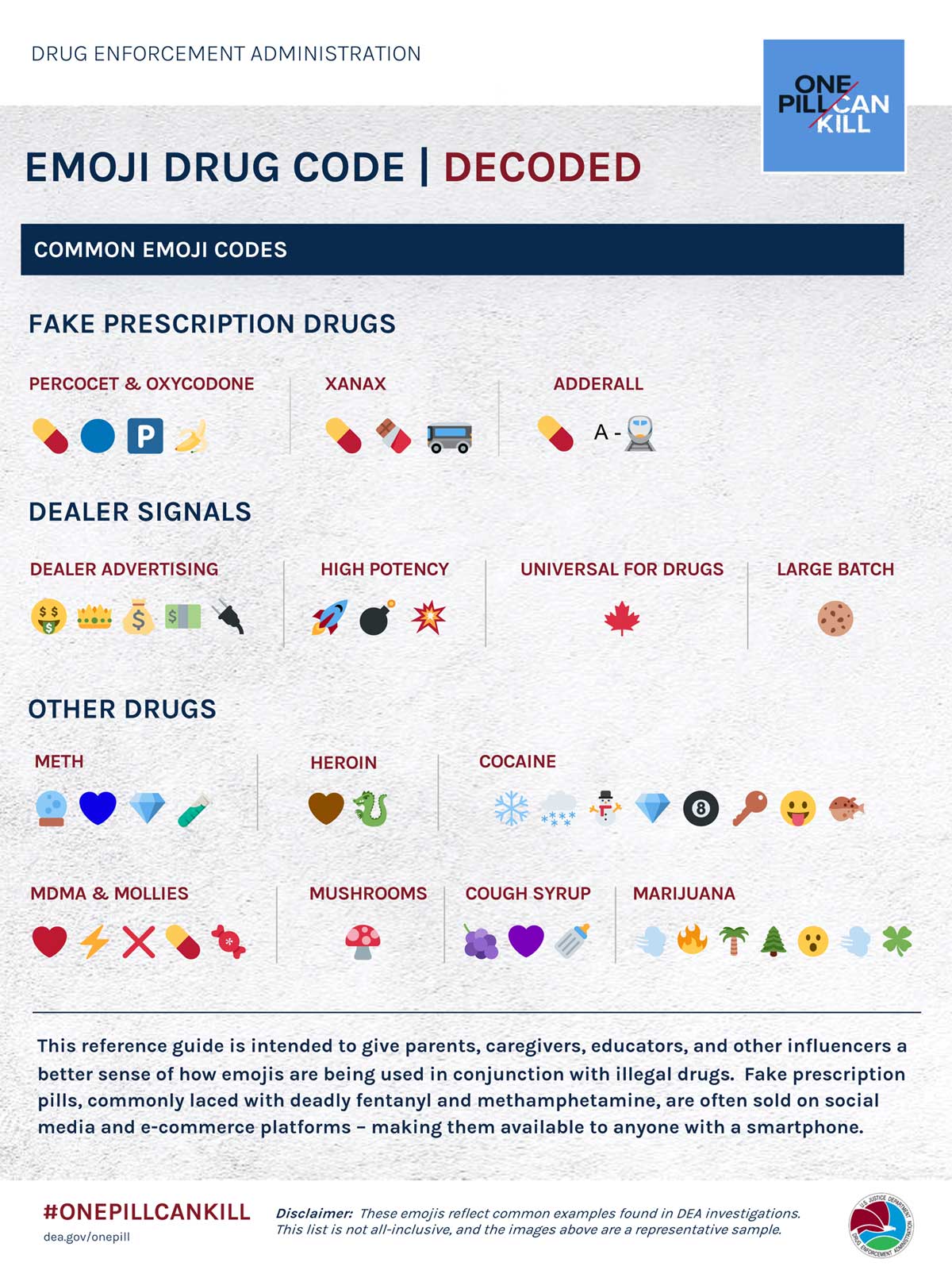
Popular Emoji Drug Codes / Department of Justice Drug Administration
High Risk Substance Abuse Among Youth
Resources that help parents become educated and facilitate meaningful conversations with their students:


Fentanyl Deaths reach all time high
Enough Fentanyl to Kill More Than 50 Million People Seized in a Single Residence
Fentanyl Found in Vaping Devices
Natural High Facts About Fentanyl
Arizona Kids Dying From Counterfeit Fentanyl
U.S. Seizes Enough Fentanyl in 2022 To Kill Every American
DEA warns about a new drug mixed with fentanyl, called xylazine
Popular Emoji Drug Codes / Department of Justice Drug Administration
High Risk Substance Abuse Among Youth
Drug and Alcohol Abstinence:
- Partnership for Drug-Free Kids: https://drugfree.org/
- National Institute on Drug Abuse (NIDA) for Parents: https://www.drugabuse.gov/parents-teachers
- Above the Influence: https://abovetheinfluence.com/
The Four Pillars of the SOYF Campus Playbook
Our platform delivers a cohesive, comprehensive learning system that provides simultaneous, targeted education across your entire organization. By alignment, the platform trains your leadership and staff on compliance and implementation tactics, exposes parents to secure toolkits for home-based communication, and directly equips students with high-octane peer defense strategies to confidently reject drugs and alcohol:
- School-Wide and Lesson Resources: Turnkey video presentations, curated media toolkits, and detailed teacher/leader guides to facilitate seamless instruction.
- Student Support: High-octane real-life video stories from high impact (faith based) elite sports athletes and coaches, military operators, and icons that inspire youth. While challenging students to participate in our Drug and Alcohol Abstinence Pledge.
- Adult Support (Parent Portal): Secure, home-accessible tools built to educate parents on deceptive street additives and emoji drug codes, helping them break down barriers and start life-saving discussions.
- Additional Tactical Intelligence: Peer awareness guides, research tools, and verified data resources to protect your entire community from liability and crisis.
Grounded in Truth, Backed by Faith
We understand that true character transformation isn’t just about following rules—it is about anchoring a student’s identity in higher principles. Our parent and student resource tracks combine verified substance research with fundamental biblical guidelines, reinforcing that their bodies and futures are worth protecting.
We are in this huddle together, standing firm on the frontline to guard the lives of those we love. Partner with us to arm your campus, engage your parents, and lead the next generation to absolute victory.
“The Lord will keep you from all harm—he will watch over your life; the Lord will watch over your coming and going both now and forevermore.” — Psalm 121:7-8
II. Mobilizing the Frontline: School & Ministry Lock-In
- Prioritizing Campus and Sanctuary Safety: Faith-based school leadership, youth pastors, and church boards must actively co-pilot the physical, mental, and spiritual well-being of their student bodies and congregations.
- Activating the Leadership Network: Educating core faculty, school counselors, and youth ministry leadership directly empowers them to communicate clearly and run a unified defense strategy.
- Mobilizing Lay People and Volunteers: Equipping Sunday school teachers, small group leaders, and parent volunteers transforms passive onlookers into an active frontline defense force across the entire ministry ecosystem.
- The Wisdom of Counsel (Proverbs 19:20): “Listen to advice and accept discipline…” Grounding our educators, youth workers, and lay people in trusted prevention frameworks gives our leadership the practical wisdom required to guide families through cultural noise.
As the Christians Community, it is important for us to understand the dangers that drugs and alcohol present in order to protect our friends, family, and neighbors from its harm.
As Christians, it is important for us to understand the dangers of fentanyl and protect our friends, family, and neighbors from its harm.
Executive Blueprint: Strategic Substance Defense for Ministry & Academic Leaders
- The Mandate of Love (John 3:16): While the eternal truth of John 3:16 is foundational to our mission, its earthly execution requires us to aggressively protect the physical lives of our youth. We extend Christ’s heart by building a proactive defensive shield against lethal substance traps.
- Tactical Prudence (Proverbs 27:12): As leaders, you recognize that passive awareness is a liability. By staying aggressively informed on modern synthetic drug variations, we choose the path of the prudent—identifying real-world hazards and establishing a refuge before a crisis breaches our perimeter.
- Ecosystem Command: Securing our student bodies and congregations demands a synchronized response. True prevention relies on moving our entire organization from passive observers to an active defense force.
- Empowering the Chain of Command: Providing core faculty, school counselors, and youth directors with verified substance intelligence allows your inner circle to communicate with absolute authority.
- Deploying Lay Leaders & Volunteers: Passing this actionable toolkit down to Sunday school teachers, small group leaders, and parent volunteers creates an airtight frontline defense network across the entire ministry.
- The Wisdom of Counsel (Proverbs 19:20): Grounding your frontline workers in trusted, proven prevention frameworks ensures a unified, compliant, and data-backed response to cultural noise.
- Commanding the Community Arena: By taking a visible, aggressive stance against the #1 killer of teenagers in America, your organization positions itself as a safe, unshakeable sanctuary.
- Breaking Cultural Barriers: Meeting parents and secular families in their deepest moments of anxiety over modern substance traps builds immense trust with the unchurched.
- Advancing the Great Commission: Demonstrating this raw level of practical care and physical protection breaks down generational walls, earning your team the ultimate credibility required to present the life-changing hope of the gospel of Jesus Christ.
Bible scriptures that highlight the importance of parents protecting their children
- Proverbs 22:6: “Start children off on the way they should go, and even when they are old, they will not turn from it.” This verse reminds parents of their responsibility to guide and teach their children in the ways of righteousness, providing them with a strong foundation for life.
- Ephesians 6:4: “Fathers, do not provoke your children to anger, but bring them up in the discipline and instruction of the Lord.” Parents are encouraged to raise their children in a loving and nurturing environment, guiding them with godly discipline and instruction.
- Psalm 127:3: “Children are a heritage from the LORD, offspring a reward from him.” This verse emphasizes that children are a precious gift from God, highlighting the need for parents to cherish and protect them.
- Proverbs 29:17: “Discipline your children, and they will give you peace; they will bring you the delights you desire.” Parents are encouraged to provide loving discipline to their children, which helps to guide them and bring about peace and joy in the family.
- Deuteronomy 6:6-7: “These commandments that I give you today are to be on your hearts. Impress them on your children. Talk about them when you sit at home and when you walk along the road, when you lie down and when you get up.” This passage emphasizes the importance of teaching and passing on God’s commandments to children, instructing parents to actively engage in conversations about faith and righteousness with their children.
- Matthew 18:6: “If anyone causes one of these little ones–those who believe in me–to stumble, it would be better for them to have a large millstone hung around their neck and to be drowned in the depths of the sea.” This verse highlights the seriousness of causing harm or leading children astray. It emphasizes the need for parents to protect their children from harmful influences and ensure their spiritual well-being.
Remember, these scriptures remind parents of their vital role in protecting, guiding, and nurturing their children. By relying on God’s wisdom and love, parents can create a safe and supportive environment for their children to grow and thrive.
Here are some tips on how to have these discussions
- Create a Safe and Supportive Environment: Establish an atmosphere of trust where your children feel comfortable discussing sensitive topics. Let them know that they can come to you with any questions or concerns without fear of judgment or punishment.
- Use Scripture as a Guide: Incorporate Bible verses that convey God’s teachings on healthy living and making wise choices. For example, 1 Corinthians 6:19-20 reminds us that our bodies are temples of the Holy Spirit, and we should honor God with our bodies.
- Start Early: Begin conversations about drugs and alcohol at an age-appropriate level. As your children grow older, continue to deepen the discussion, providing more detailed information and addressing their evolving questions and concerns.
- Be Informed: Educate yourself about the facts surrounding drugs and alcohol, including their effects, risks, and consequences. This will enable you to provide accurate information to your children and answer their questions effectively.
- Focus on Consequences: Discuss the potential negative consequences of drug and alcohol use, both physically and spiritually. Help your children understand the harmful effects these substances can have on their health, relationships, and future goals.
- Encourage Healthy Coping Mechanisms: Teach your children alternative ways to deal with stress, peer pressure, and difficult emotions that do not involve drugs or alcohol. Encourage them to turn to prayer, seeking guidance from God, being accountable to friends and family, and finding support from trusted mentors or counselors.
- Share Personal Stories and Testimonies: Open up about your own experiences or stories of individuals who have faced the consequences of substance abuse. Personal stories can have a powerful impact on your children, helping them grasp the real-life implications of poor choices.
- Set Clear Boundaries and Expectations: Establish family rules regarding drugs and alcohol and communicate them clearly to your children. Emphasize the importance of honoring these boundaries and the consequences that may follow if they are disregarded.
- Be a Role Model: Your actions speak louder than words. Model a healthy and responsible lifestyle by avoiding substance abuse and making wise choices yourself. Let your children see your faith in action and the positive impact it has on your life.
- Maintain Ongoing Dialogue: Remember that discussions about drugs and alcohol should be ongoing, not just a one-time conversation. Stay connected with your children, checking in regularly, and remaining available to address any concerns or questions that may arise.
By approaching discussions about drugs and alcohol with love, compassion, and a faith-based perspective, we can guide our children towards making informed choices that align with God’s teachings and lead to a life of health, purpose, and fulfillment
Educating Teenagers about the Dangers of Drugs and Alcohol
As parents, it’s important to educate our teenagers about the risks and dangers associated with drugs and alcohol. Here are practical steps you can take, along with relevant Bible scriptures:
- Open and Honest Communication: Create a safe space for open and honest conversations with your teenager. Listen attentively to their thoughts and concerns, and encourage them to ask questions.
Scripture: Ephesians 4:29 – “Do not let any unwholesome talk come out of your mouths, but only what is helpful for building others up according to their needs, that it may benefit those who listen.” - Provide Accurate Information: Offer age-appropriate information about the harmful effects of drugs and alcohol on their physical, mental, and spiritual well-being. Help them understand the risks and consequences involved.
Scripture: Proverbs 18:15 – “The heart of the discerning acquires knowledge, for the ears of the wise seek it out.” - Share Biblical Principles: Discuss biblical principles that guide us in making wise choices and honoring God with our bodies. Teach them about the importance of self-control and maintaining a healthy lifestyle.
Scripture: 1 Corinthians 6:19-20 – “Do you not know that your bodies are temples of the Holy Spirit, who is in you, whom you have received from God? You are not your own; you were bought at a price. Therefore, honor God with your bodies.” - Emphasize Personal Responsibility: Encourage your teenager to take personal responsibility for their choices. Help them understand that their decisions have consequences and that they have the power to make wise choices.
Scripture: Galatians 6:7 – “Do not be deceived: God cannot be mocked. A man reaps what he sows.” - Promote Healthy Alternatives: Encourage your teenager to engage in positive and healthy activities that provide fulfillment and joy. Encourage them to pursue hobbies, sports, volunteer work, and involvement in church activities.
Scripture: 1 Timothy 4:8 – “For physical training is of some value, but godliness has value for all things, holding promise for both the present life and the life to come.” - Pray for Strength and Guidance: Pray with your teenager, seeking God’s strength, wisdom, and guidance to resist peer pressure and make choices that honor Him.
Scripture: James 5:16 – “Therefore confess your sins to each other and pray for each other so that you may be healed. The prayer of a righteous person is powerful and effective.”
Remember, as parents, we have a responsibility to educate and guide our teenagers. By fostering open communication, providing accurate information, and sharing biblical principles, we can equip them to make informed choices that protect their well-being and honor God.
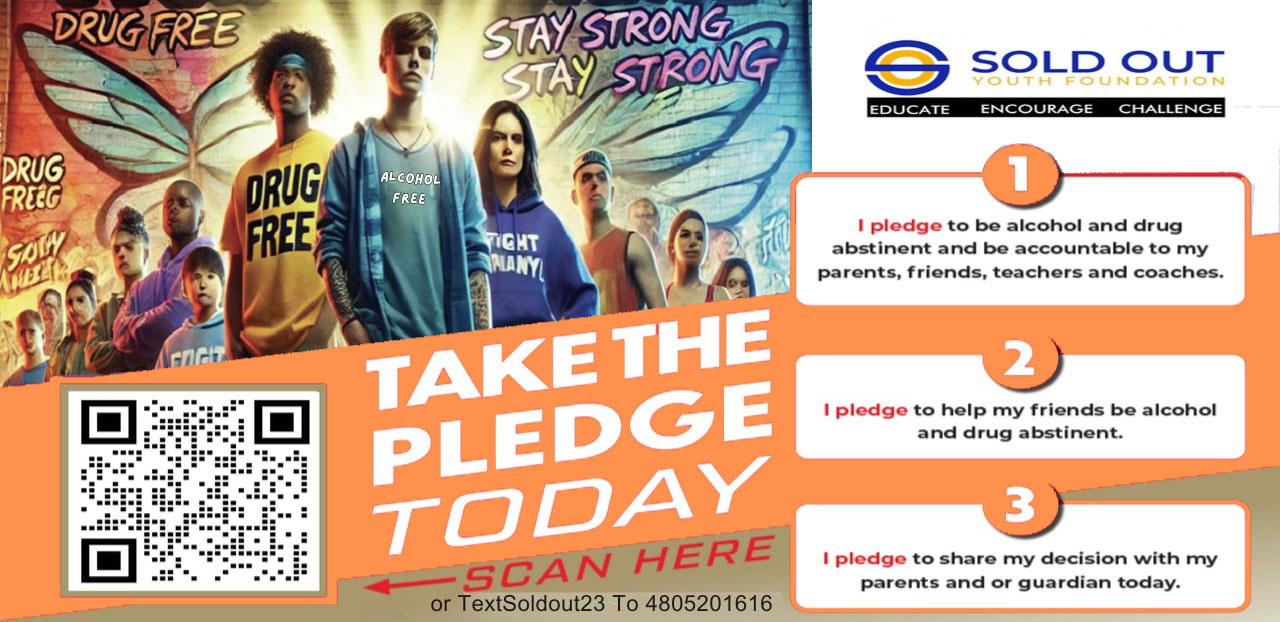
Engage Students with the Sold Out Online Program:
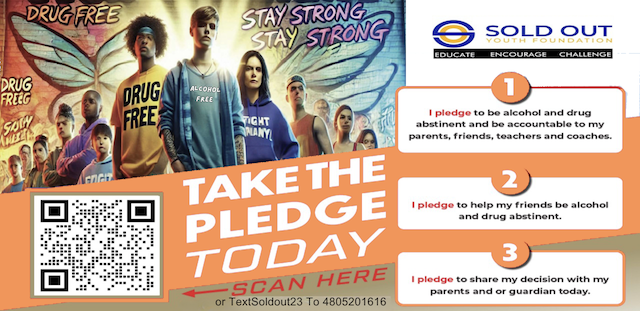
Take the Sold Out Alcohol Abstinence Pledge together and demonstrate your commitment: Think about joining your student in committing to drug and alcohol abstinence. https://soldouttv.com/the-sold-out-pledge/. Show your dedication by taking the pledge together, either by visiting the website www.soldouttv.com or scanning the QR Code on the Sold Out Student Pledge poster on the pledge page. By taking this step as a family, you can reinforce the message of abstinence and demonstrate your support for your teenager’s well-being.
Additionally, consider sitting down together and watching positive life skills and drug and alcohol abstinence videos from the Sold Out Student Success Program available at www.soldouttv.com. Click on the “Sold Out Student Success Program” to access a series of videos that provide valuable insights and guidance on character development, making positive choices, and maintaining abstinence from drugs and alcohol. Watching these videos together can spark meaningful discussions and further reinforce of the importance of abstinence and the development of life skills.
Sold Out’s Mission: Sold Out’s mission is to educate, encourage, and challenge students to live a life of alcohol and drug abstinence. They offer a 100% online student video platform that covers life skills, health, wellness, fitness, and more to help students reach their God-given potential.
Sold Out Features: The Sold Out platform includes college-accredited curriculum lessons, fentanyl education resources, a 100% alcohol and drug abstinence program, sustainability initiatives, risk mitigation strategies, a parental platform, counselor training, measurable results, computer-friendly curriculum, flexible online visual learning, and life skills training. Students can engage with the resources without missing significant classroom time.
For more information and to access these resources, visit the official website at https://soldouttv.com/.
By utilizing the Sold Out Official Website and its resources, students can gain additional knowledge and support in their journey towards making informed and healthy choices. Remember, engaging in these activities together as a family promotes shared understanding, encourages open communication, and strengthens the commitment to drug and alcohol abstinence.
Fentanyl:
- National Institute on Drug Abuse (NIDA) – Fentanyl Overview: https://www.drugabuse.gov/drug-topics/fentanyl
- Substance Abuse and Mental Health Services Administration (SAMHSA) – Fentanyl Fact Sheet: https://store.samhsa.gov/product/Fentanyl-Fact-Sheet/SMA17-5054
- Drug Policy Alliance – Fentanyl Information: https://drugpolicy.org/drug-facts/fentanyl
Vaping:
- Truth Initiative: https://truthinitiative.org/
- Centers for Disease Control and Prevention (CDC) – E-Cigarette/Vaping Resources: https://www.cdc.gov/tobacco/basic_information/e-cigarettes/index.htm
- Campaign for Tobacco-Free Kids: https://www.tobaccofreekids.org/
Marijuana:
- National Institute on Drug Abuse (NIDA) – Marijuana: https://www.drugabuse.gov/drug-topics/marijuana
- American Addiction Centers – Marijuana Facts: https://americanaddictioncenters.org/marijuana-rehab
- Smart Approaches to Marijuana (SAM): https://learnaboutsam.org/
Cocaine:
- National Institute on Drug Abuse (NIDA) – Cocaine: https://www.drugabuse.gov/drug-topics/cocaine
- Foundation for a Drug-Free World – Cocaine: https://www.drugfreeworld.org/drugfacts/cocaine.html
- National Council on Alcoholism and Drug Dependence (NCADD) – Cocaine and Crack: https://www.ncadd.org/about-addiction/drugs/cocaine-and-crack
Prescription Pills:
- Substance Abuse and Mental Health Services Administration (SAMHSA) – Prescription Drug Misuse and Abuse: https://www.samhsa.gov/prescription-drug-misuse-abuse
- National Institute on Drug Abuse (NIDA) – Prescription Drugs: https://www.drugabuse.gov/drug-topics/prescription-drugs
- RxSafetyMatters: https://www.rxsafetymatters.org/
Mental Wellness:
- National Alliance on Mental Illness (NAMI) – Mental Health Conditions: https://www.nami.org/learn-more/mental-health-conditions
- Mental Health America (MHA): https://www.mhanational.org/
- Child Mind Institute: https://childmind.org/
Suicide Prevention:
- National Suicide Prevention Lifeline: https://suicidepreventionlifeline.org/
- American Foundation for Suicide Prevention: https://afsp.org/
- Suicide Awareness Voices of Education (SAVE): https://save.org/
Social Networking Responsibility:
- Common Sense Media – Social Media and Self-Esteem: https://www.commonsensemedia.org/social-media/social-media-and-self-esteem
- ConnectSafely: https://www.connectsafely.org/
- National Online Safety: https://nationalonlinesafety.com/
Dangers of TikTok:
- Here are three links that provide information on the potential dangers of TikTok for teenagers:
- Cyberbullying Research Center – TikTok Safety Guide: This guide provides information on how to stay safe while using TikTok and addresses the potential risks and dangers associated with the platform. Link: https://cyberbullying.org/tiktok-safety-guide
- Common Sense Media – TikTok App Review: This review provides an overview of TikTok, including its content, privacy settings, and potential risks for teenagers. It offers guidance for parents on how to ensure a safe experience for their children. Link: https://www.commonsensemedia.org/app-reviews/tiktok
- National Online Safety – TikTok Online Safety Guide: This guide highlights the safety concerns related to TikTok, including privacy settings, inappropriate content, and potential online grooming. It offers tips and advice for parents and teenagers to navigate the platform safely. Link: https://nationalonlinesafety.com/guides/tiktok-online-safety-guide-for-parents
- It’s important for parents to stay informed about the platforms their teenagers are using and engage in open conversations about online safety and responsible digital behavior.
Bullying:
- StopBullying.gov – Parent Resources: https://www.stopbullying.gov/what-parents-can-do
- PACER’s National Bullying Prevention Center: https://www.pacer.org/bullying/
- Stomp Out Bullying: https://www.stompoutbullying.org/
Mindfulness:
- Greater Good Science Center – Mindfulness: https://greatergood.berkeley.edu/topic/mindfulness/definition
- Mindful: https://www.mindful.org/
- Mindfulness Exercises: https://www.mindfulnessexercises.com/
- National Sleep Foundation – Teen Sleep: This resource offers guidance on the importance of sleep for teenagers and provides tips for establishing healthy sleep habits. It covers topics such as sleep duration, creating a sleep-friendly environment, and managing technology use before bedtime. Link: https://www.sleepfoundation.org/teens
- Centers for Disease Control and Prevention (CDC) – Sleep and Teens: This page provides information on the sleep needs of teenagers and offers practical tips for promoting healthy sleep habits. It also addresses common sleep-related issues that teenagers may face. Link: https://www.cdc.gov/sleep/about_sleep/sleep_adolescent.html
- American Academy of Sleep Medicine (AASM) – Healthy Sleep for Teenagers: This resource provides an overview of the importance of sleep for teenagers’ physical and mental well-being. It offers tips for establishing a consistent sleep schedule, creating a sleep-friendly environment, and managing sleep disorders. Link: https://aasm.org/resources/teensleep/
Encouraging healthy sleep habits is essential for teenagers’ overall health and well-being. These resources can provide valuable information and guidance for parents in supporting their teenagers’ sleep needs.
Exercise:
Centers for Disease Control and Prevention (CDC) – Physical Activity for Children and Adolescents: https://www.cdc.gov/physicalactivity/basics/children/index.htm
Nutrition:
- ChooseMyPlate – Healthy Eating Tips for Families: https://www.choosemyplate.gov/
ten-tips-healthy-eating-for- an-active-lifestyle - Academy of Nutrition and Dietetics – Smart Nutrition Starts with Parents: https://www.eatright.org/food/
nutrition/eating-as-a-family/ smart-nutrition-starts-with- parents - KidsHealth – Nutrition and Fitness Center: https://kidshealth.org/en/
parents/nutrition-center.html
By exploring these resources, parents can gain valuable insights and guidance on addressing bullying, promoting healthy nutrition habits, and encouraging regular physical activity for their children’s overall well-being
Healthy Sleep Habits:
- National Sleep Foundation – Teen Sleep: This resource offers guidance on the importance of sleep for teenagers and provides tips for establishing healthy sleep habits. It covers topics such as sleep duration, creating a sleep-friendly environment, and managing technology use before bedtime. Link: https://www.sleepfoundation.
org/teens - Centers for Disease Control and Prevention (CDC) – Sleep and Teens: This page provides information on the sleep needs of teenagers and offers practical tips for promoting healthy sleep habits. It also addresses common sleep-related issues that teenagers may face. Link: https://www.cdc.gov/sleep/
about_sleep/sleep_adolescent. html - American Academy of Sleep Medicine (AASM) – Healthy Sleep for Teenagers: This resource provides an overview of the importance of sleep for teenagers’ physical and mental well-being. It offers tips for establishing a consistent sleep schedule, creating a sleep-friendly environment, and managing sleep disorders. Link: https://aasm.org/resources/
teensleep/
Encouraging healthy sleep habits is essential for teenagers’ overall health and well-being. These resources can provide valuable information and guidance for parents in supporting their teenagers’ sleep needs.
Here are some ideas parents can influence their teenagers from experimenting with drugs or alcohol:

- Open communication: Foster a supportive and non-judgmental environment where your teenager feels comfortable discussing their thoughts, feelings, and concerns. Maintain open lines of communication to better understand their experiences and provide guidance.
- Education: Provide accurate and age-appropriate information about the risks and consequences of substance use. Help your teenager understand the impact drugs or alcohol can have on their physical and mental health, relationships, and future goals. https://soldouttv.com/fentanyl-education/
- Set clear expectations and boundaries: Establish and communicate clear rules regarding substance use. Let your teenager know what behavior is acceptable and what the consequences will be if those boundaries are crossed.
- Be a positive role model: Model healthy behaviors and responsible substance use (or abstinence) in your own life. Your actions speak louder than words, and teenagers often learn from observing their parents’ behaviors.
- Monitor your teenager’s activities: Stay aware of your teenager’s whereabouts, the company they keep, what social networks they are on, and their activities. Regularly check in with them and know who their friends are. Stay involved in their lives while respecting their growing independence.
- Encourage involvement in positive activities: Help your teenager find constructive and fulfilling activities that promote their interests and passions. This could include sports, clubs, arts, or community service. Engaging in these activities can provide a sense of purpose and reduce the likelihood of seeking out risky behaviors. Click on Sold Out Student Video Success Platform – https://soldouttv.com/365-sold-out-student-success-video-character-curriculum/
- Foster healthy coping mechanisms: Teach your teenager healthy ways to cope with stress, emotions, and challenges. Encourage them to engage in activities like exercise, journaling, art, or talking to a trusted adult or counselor. Check out Sold Out Student Health and Wellness Web Page https://soldouttv.com/fitness-health-and-wellness/
- Promote a strong support network: Encourage your teenager to build healthy relationships and friendships with peers who share similar values and goals. A strong support network can provide a sense of belonging and reduce the need to seek acceptance through substance use.
- Secure medications and alcohol: Ensure that any prescription medications or alcohol in your home are securely stored to prevent easy access. Monitor and properly dispose of unused or expired medications. https://soldouttv.com/the-sold-out-pledge/
- Seek professional help if needed: If you suspect your teenager is struggling with substance use or related issues, don’t hesitate to seek professional help from counselors, therapists, or support groups specializing in adolescent addiction. Check out the 988 Crisis Line here https://soldouttv.com/the-sold-out-pledge/
Remember, the goal is to establish trust, promote healthy choices, and maintain open lines of communication with your teenager.

Reducing Risk Factors:
- Build a strong parent-child relationship: Foster a warm and supportive relationship with your teenager. Spend quality time together, engage in meaningful conversations, and show genuine interest in their lives.
- Monitor and supervise: Stay aware of your teenager’s activities, whereabouts, and social interactions. Regularly communicate with other parents and establish consistent supervision to reduce opportunities for risky behaviors.
- Address underlying issues: Be attentive to any signs of underlying mental health issues, trauma, or emotional distress. Seek professional help if needed, as addressing these issues can reduce the likelihood of turning to substances as a coping mechanism.
- Encourage healthy friendships: Help your teenager develop positive friendships with peers who share similar values and goals. Encourage involvement in activities and groups that promote healthy lifestyles and discourage substance use.
- Teach refusal skills: Role-play and provide your teenager with strategies to confidently say “no” to peer pressure. Help them practice assertiveness and provide alternatives for socializing that do not involve substance use.
Strengthening Protective Factors:
- Foster self-esteem and resilience: Encourage your teenager’s strengths, talents, and abilities. Help them develop a positive self-image and teach them resilience skills to navigate challenges and setbacks effectively.
- Promote healthy coping mechanisms: Teach your teenager alternative ways to manage stress and emotions. Encourage them to engage in activities they enjoy, such as exercise, hobbies, or creative outlets.
- Support academic success: Emphasize the importance of education and help your teenager set realistic goals. Provide assistance with homework, encourage a positive attitude toward learning, and celebrate their achievements.
- Promote involvement in positive activities: Encourage your teenager to participate in extracurricular activities, sports, or community service. These activities can provide a sense of purpose, build self-confidence, and foster healthy social connections.
- Establish clear family values and expectations: Communicate and reinforce family values, emphasizing the importance of making healthy choices. Clearly communicate expectations regarding substance use and reinforce these expectations consistently.
- Encourage healthy communication skills: Teach your teenager effective communication skills, such as active listening, empathy, and conflict resolution. These skills can strengthen their relationships and reduce the likelihood of turning to substances to cope with interpersonal issues.
- Provide a safe and supportive environment: Create a home environment that is nurturing, safe, and supportive. Encourage open dialogue, active listening, and understanding. Be available to discuss sensitive topics and provide guidance without judgment.
Remember, these suggestions are meant to provide guidance, and it’s important to tailor them to your teenager’s individual needs and circumstances.

How parents can sit down and talk to their teenagers about drug and alcohol abstinence:
- Choose the right time and place: Find a calm and comfortable environment where both you and your teenager can have an uninterrupted conversation. Pick a time when both of you are relaxed and not distracted by other commitments.
- Be prepared and educated: Educate yourself about the risks and consequences of drug and alcohol use, as well as the benefits of abstinence. Gather information from reliable sources to address any questions or concerns your teenager may have.
- Initiate an open and non-judgmental conversation: Approach the discussion with an open mind and without judgment. Encourage your teenager to express their thoughts, feelings, and experiences. Listen actively and show empathy to create a safe space for dialogue.
- Use the Sold Out School Parental Resources: Utilize the resources provided by the Sold Out School program, such as the Sold Out Student Pledge poster and the parental letter. These materials can serve as conversation starters and provide a framework for discussing the importance of abstinence.
- Take the Sold Out Alcohol Abstinence Pledge together: Consider visiting the website www.soldouttv.com or scanning the QR Code on the Sold Out Student Pledge poster to take the pledge as a family https://soldouttv.com/the-sold-out-pledge/. This shared commitment can reinforce the message of abstinence and demonstrate your support for your teenager’s well-being.
- Discuss the potential risks and consequences: Talk openly about the negative effects of drug and alcohol use on physical health, mental well-being, academic performance, relationships, and future opportunities. Use real-life examples or personal stories to illustrate the potential consequences.
- Emphasize personal values and goals: Help your teenager understand how drug and alcohol use can hinder their ability to achieve their goals and live according to their values. Encourage them to envision a positive future and discuss how abstinence aligns with their aspirations.
- Explore alternative ways to have fun and socialize: Discuss healthy and enjoyable activities that your teenager can engage in without the need for substances. Encourage them to pursue hobbies, join clubs or organizations, and spend time with friends who share similar interests.
- Address peer pressure and refusal skills: Talk about the influence of peer pressure and provide your teenager with strategies to resist it. Role-play different scenarios to help them practice assertiveness and develop effective refusal skills.
- Take the Sold Out Alcohol Abstinence Pledge together and demonstrate your commitment: Think about joining your student in committing to drug and alcohol abstinence. Show your dedication by taking the pledge together, either by visiting the website www.soldouttv.com or scanning the QR Code on the Sold Out Student Pledge poster. By taking this step as a family, you can reinforce the message of abstinence and demonstrate your support for your teenager’s well-being.
- Additionally, consider sitting down together and watching positive life skills and drug and alcohol abstinence videos from the Sold Out Student Success Program available at www.soldouttv.com. Click on the “Sold Out Student Success Program” to access a series of videos that provide valuable insights and guidance on character development, making positive choices, and maintaining abstinence from drugs and alcohol. Watching these videos together can spark meaningful discussions and further reinforce the importance of abstinence and the development of life skills.
- Reinforce trust and support: Assure your teenager that your intention is to support and protect them. Reinforce that they can come to you without fear of judgment or punishment if they ever need guidance or assistance.
Remember, ongoing communication is key, so continue to have open discussions with your teenager about substance use and regularly check in to reinforce the importance of abstinence.
Scriptural Support and Christian Principles
As parents, we can find guidance, comfort, and hope in God’s Word when facing the challenges of teenage depression and suicidal thoughts. Remember that God is our source of strength, and He offers healing and restoration. Here are some Bible verses to lean on:
- Psalm 34:17-18: “The righteous cry out, and the Lord hears them; he delivers them from all their troubles. The Lord is close to the brokenhearted and saves those who are crushed in spirit.”
- Psalm 147:3: “He heals the brokenhearted and binds up their wounds.”
- Isaiah 41:10: “So do not fear, for I am with you; do not be dismayed, for I am your God. I will strengthen you and help you; I will uphold you with my righteous right hand.”
- Matthew 11:28: “Come to me, all you who are weary and burdened, and I will give you rest.”
Discussing Teenage Depression and Suicide with Your Teenagers
Approaching conversations about depression and suicide with your teenagers requires sensitivity, empathy, and a willingness to listen. Here are some tips to guide your discussions:
- Create a Safe and Judgment-Free Environment: Let your teenagers know they can talk openly about their feelings without fear of judgment or punishment.
- Active Listening: Provide your undivided attention, allowing them to express their thoughts and emotions. Validate their feelings and let them know they are heard and understood.
- Show Love and Support: Assure your teenagers of your unconditional love and support. Remind them that you are there for them, no matter what they may be going through.
- Empower Them: Encourage your teenagers to seek help and let them know it’s a sign of strength to reach out to trusted adults, mentors, counselors, or pastors.
- Share Scripture and Faith: Offer words of encouragement and share relevant Bible verses that provide hope and strength. Pray together and remind them of God’s love and grace.
- Seek Professional Help: If you believe your teenager is in immediate danger or showing severe signs of depression or suicidal thoughts, seek professional help immediately. Reach out to a mental health professional, counselor, or a trusted member of your church community.
- Educate Yourself: Learn more about depression and suicide prevention to better understand your teenager’s struggles. Equip yourself with knowledge, resources, and support networks to effectively assist your child.
- Monitor and Follow Up: Keep an ongoing dialogue with your teenagers, checking in on their well-being regularly. Maintain open lines of communication and ensure they utilize the Sold Out Official Website for Additional Resources.
The Risks of Teenage Vaping: What You Need to Know:

Introduction: We want to talk about something that’s been buzzing around lately: vaping. While it might seem cool or harmless, there are some serious risks that you need to be aware of. So, let’s dive into the dangers of teenage vaping and why it’s important to steer clear of this trend.
- Nicotine Addiction: It’s Addictive Stuff Okay, here’s the deal. Most e-cigarettes contain nicotine, which is highly addictive. When you start vaping as a teen, you’re putting yourself at risk of becoming addicted. Nicotine can mess with your brain development, your ability to focus, and even your mental health. It’s not a road you want to go down.
- Yikes! Harmful Chemicals. Did you know that vaping devices produce aerosol by heating up liquid? Well, that aerosol isn’t harmless. It can contain some pretty nasty stuff like formaldehyde and toxic metal particles. Breathing in these chemicals can seriously mess up your lungs and make it harder for you to breathe. No thanks!
- Your Lungs Matter: Say No to Damage. Listen up, your lungs are pretty important. When you vape, you’re putting your lungs at risk. It can cause lung inflammation, damage your lung tissues, and even lead to serious breathing problems. Have you heard about EVALI? It’s a condition where vaping can seriously hurt your lungs. Let’s protect those precious organs!
- Protect Your Brain, It’s Still Growing. Guess what? Your brain is still developing during your teenage years. When you expose it to nicotine through vaping, you’re putting its growth at risk. Vaping can mess with your memory, attention, and even your ability to learn. Plus, it may increase your chances of having mood swings or mental health issues. Let’s keep our brains healthy, shall we?
- No Gateway to Smoking, Please. We get it, vaping seems harmless, but studies show it can lead to smoking cigarettes. So, if you think vaping is a cool way to fit in or experiment, think twice. Getting hooked on traditional cigarettes is a road you don’t want to take. Let’s stay away from any tobacco products altogether.
- The Unknown: Long-Term Effects. Vaping is still relatively new, and we don’t know all the long-term effects it can have on our bodies. It’s a bit scary, right? We want to make choices that keep us healthy for the long haul. So, until we have more information, it’s better to play it safe and avoid vaping.
- It’s Not Just About Your Health. Think about this: vaping can have social and financial consequences too. Some people might judge you or make you feel left out if you vape. Plus, it can be an expensive habit that puts a strain on your wallet. There are way cooler things to spend your money on, right?
Conclusion: It’s crucial to know the risks of vaping. It’s not just about fitting in or following trends; it’s about protecting your health and well-being. Say no to nicotine addiction, harmful chemicals, and lung damage. Let’s keep our brains healthy and avoid any gateway to smoking. Remember, your choices matter, and making informed decisions is the coolest thing you can do for yourself. Stay safe and vape-free!

STRONG MENTAL HEALTH FOR TEENS:
- Understand Good Mental Health: Good mental health means feeling good about yourself, coping well with challenges, and having positive relationships. It’s normal to have ups and downs, and seeking support is a sign of strength. Learn about mental health and take care of yourself.
- Build Emotional Resilience: Practice mindfulness by taking a few minutes each day to focus on your breath, observe your thoughts and feelings without judgment, and let them pass. This helps manage stress and build resilience.
- Prioritize Physical Health: Engage in activities you enjoy, like dancing, playing sports, or going for a walk. Exercise releases feel-good chemicals in your brain, boosting your mood. Make it a habit to move your body regularly.
- Use Phones Responsibly: Take breaks from screens, especially before bedtime. Limit social media time and be mindful of what you consume online. Prioritize face-to-face interactions and meaningful connections with friends and family.
- Emphasize Healthy Sleep: Establish a consistent sleep routine by going to bed and waking up at regular times. Create a peaceful sleep environment free from distractions. Quality sleep rejuvenates your mind and body.
- Talk About Your Feelings: Share your feelings with someone you trust, like a friend, family member, or counselor. Openly discussing your emotions helps you process them and seek support. Remember, seeking help is a courageous step.
SOLUTIONS AND DRILLS FOR MENTAL HEALTH AND WELLNESS::
- Gratitude Journal: Take a few minutes each day to write down three things you are grateful for. This helps shift your focus to the positive aspects of life.
- Breathing Exercise: Practice deep breathing by inhaling slowly through your nose, holding it for a few seconds, and exhaling through your mouth. This helps calm your mind and reduce stress.
- Positive Affirmations: Repeat positive statements to yourself, such as “I am capable,” “I am worthy,” or “I can overcome challenges.” This boosts self-confidence and fosters a positive mindset.
- Mindful Eating: During a meal, focus on the taste, texture, and smell of the food. Pay attention to your body’s hunger and fullness cues. This helps cultivate a healthy relationship with food.
- Mood Tracker: Keep a journal to track your emotions and identify patterns. Write down your feelings and the situations that trigger them. This promotes self-awareness and understanding.
- Relaxation Exercise: Close your eyes, tense and then release each muscle group in your body, starting from your toes and moving up to your head. This helps relieve tension and promotes relaxation.
Remember, these solutions and drills can be done individually or in a classroom setting. Incorporate them into your daily routine and practice regularly to enhance your mental and emotional well-being. Taking care of yourself is important, and you deserve to prioritize your mental health.
Mental Success Ideas, Solutions, and Drills for Students:
Incorporating meditation on Bible scripture can be a meaningful way to combine mindfulness and spiritual practice. Here are 10 scriptures dealing with good mental health, strength, confidence, and peace from God, presented in a teenage-friendly language:
- “Do not be anxious about anything, but in every situation, by prayer and petition, with thanksgiving, present your requests to God. And the peace of God, which transcends all understanding, will guard your hearts and your minds in Christ Jesus.” (Philippians 4:6-7)
- “Trust in the Lord with all your heart and lean not on your own understanding; in all your ways submit to him, and he will make your paths straight.” (Proverbs 3:5-6)
- “The Lord is my strength and my shield; my heart trusts in him, and he helps me. My heart leaps for joy, and with my song, I praise him.” (Psalm 28:7)
- “For God has not given us a spirit of fear, but of power and of love and of a sound mind.” (2 Timothy 1:7)
- “Cast all your anxiety on him because he cares for you.” (1 Peter 5:7)
- “But those who hope in the Lord will renew their strength. They will soar on wings like eagles; they will run and not grow weary, they will walk and not be faint.” (Isaiah 40:31)
- “I can do all this through him who gives me strength.” (Philippians 4:13)
- “Do not conform to the pattern of this world, but be transformed by the renewing of your mind. Then you will be able to test and approve what God’s will is—his good, pleasing and perfect will.” (Romans 12:2)
- “Finally, brothers and sisters, whatever is true, whatever is noble, whatever is right, whatever is pure, whatever is lovely, whatever is admirable—if anything is excellent or praiseworthy—think about such things.” (Philippians 4:8)
- “Peace I leave with you; my peace I give you. I do not give to you as the world gives. Do not let your hearts be troubled and do not be afraid.” (John 14:27)
Encourage students to reflect on these scriptures during their guided meditation or relaxation exercises, allowing the words to bring comfort, strength, and peace to their hearts and minds.

1. Mindfulness and Relaxation Techniques:
- Guided Meditation: Allocate a few minutes each day for guided meditation or relaxation exercises.
- Breathing Techniques: Teach students different breathing exercises to manage stress and promote focus.
Meditating on Bible scripture, listening to Christian music and engaging in prayer can further enhance the experience of mindfulness and relaxation. Here are some suggestions:
- Listen to Christian Music: Encourage students to explore uplifting and encouraging Christian music that resonates with them. They can create a playlist of their favorite songs or find curated playlists specifically designed for relaxation and inspiration. Encourage them to listen attentively, allowing the lyrics and melodies to uplift their spirits and bring them closer to God.
- Meditate on the Words: While listening to Christian music, students can actively engage in meditating on the words of the songs. Encourage them to focus on the lyrics, reflecting on the messages of hope, faith, and God’s love. They can allow the music to guide their thoughts and emotions, finding solace and encouragement in the songs.
- Prayer: Prayer is a powerful tool for finding peace, strength, and connection with God. Encourage students to incorporate prayer into their mindfulness and relaxation practices. They can take a few moments before or after their meditation or while listening to Christian music to offer their thoughts, concerns, and gratitude to God. Prayer can help students feel supported and find comfort in knowing that they can bring their worries and joys to a loving and understanding God.
By combining guided meditation, breathing techniques, meditating on Bible scripture, listening to Christian music, and incorporating prayer, students can create a holistic and spiritually uplifting practice that nurtures their mental health, builds their confidence, and cultivates a deeper sense of peace and closer connection with God.
2. Growth Mindset Activities:
- Classroom Discussions: Encourage discussions about the power of a growth mindset and how it impacts success.
- Goal Setting: Guide students in setting realistic goals and developing action plans to achieve them.
3. Positive Affirmations:
- Affirmation Wall: Create a dedicated space where students can write and share positive affirmations.
- Daily Affirmations: Begin each class with a positive affirmation or encourage students to create their own.
4. Emotional Intelligence:
- Feelings Check-In: Implement a routine for students to express their emotions and discuss strategies to cope with challenging feelings.
- Empathy Activities: Engage students in activities that promote understanding and empathy towards others.
5. Stress Management:
- Stress Awareness: Educate students about common stressors and teach techniques to manage stress effectively.
- Stress Relief Toolkit: Create a toolkit with stress relief resources such as stress balls, coloring books, or sensory objects
6. Social Connection:
- Team-Building Activities: Incorporate team-building exercises and group projects to foster social connections among students.
- Peer Support Programs: Establish peer support systems where students can seek guidance and support from their classmates.
7. Resilience Building:
- Failure as a Learning Opportunity: Encourage students to view failures as opportunities for growth and learning.
- Resilience Drills: Introduce resilience-building drills where students practice bouncing back from setbacks.
8. Self-Care Practices:
- Self-Care Stations: Set up self-care stations in the classroom with resources like journals, coloring materials, and self-reflection prompts.
- Personal Well-being Plans: Guide students in creating individualized well-being plans, including activities they enjoy and find rejuvenating.
9. Mindset Shift Activities:
- Positive Self-Talk: Teach students to reframe negative thoughts into positive affirmations.
- Reframing Challenges: Help students view challenges as opportunities for growth and problem-solving.
10. Classroom Support Systems:
- Safe and Inclusive Environment: Foster an environment where students feel safe, respected, and supported.
- Open Communication Channels: Establish open lines of communication for students to seek help or express their concerns.
Remember to adapt these ideas to suit the specific needs and dynamics of your classroom. Creating a positive and supportive environment is crucial for promoting teenage mental success and overall well-being.
Teacher / Parent teenage social networking responsibility with resource links:
1. Educate on Privacy and Security:
- Common Sense Media – Protecting Your Online Identity: https://www.commonsensemedia.org/privacy-and-internet-safety/protecting-your-online-identity
- Federal Trade Commission – Protecting Kids’ Privacy Online: https://www.consumer.ftc.gov/articles/0031-protecting-your-childs-privacy-online
2. Online Etiquette and Digital Citizenship:
- Digital Citizenship – Common Sense Education: https://www.commonsense.org/education/digital-citizenship
- Netsmartz – Digital Citizenship Classroom Resources: https://www.netsmartz.org/educators
3. Cyberbullying Awareness and Prevention:
- StopBullying.gov – Cyberbullying Resources: https://www.stopbullying.gov/cyberbullying/resources
- Stomp Out Bullying – Cyberbullying Prevention Resources: https://www.stompoutbullying.org/cyberbullying-prevention-resources
4. Recognizing and Avoiding Online Scams and Fraud:
- Federal Trade Commission – Online Security: https://www.consumer.ftc.gov/topics/online-security
- StaySafeOnline – Cybersecurity Tips: https://staysafeonline.org/stay-safe-online/online-safety-basics/cybersecurity-tips
5. Media Literacy and Critical Thinking:
- MediaSmarts – Digital & Media Literacy Fundamentals: https://mediasmarts.ca/digital-media-literacy/digital-media-literacy-fundamentals
- Common Sense Education – Media Literacy Resources: https://www.commonsense.org/education/media-literacy
6. Responsible Posting and Digital Footprint:
- ConnectSafely – A Parents’ Guide to Instagram: https://www.connectsafely.org/guides-2/parents-guide-to-instagram/
- Be Internet Awesome – Share with Care: https://beinternetawesome.withgoogle.com/en_us/interland/share-with-care
7. Managing Screen Time and Online Balance:
- American Academy of Pediatrics – Healthy Digital Media Use Habits for Babies, Toddlers & Preschoolers: https://www.healthychildren.org/English/family-life/Media/Pages/Healthy-Digital-Media-Use-Habits-for-Babies-Toddlers-Preschoolers.aspx
- Screenagers – Tech Talk Tuesday: https://www.screenagersmovie.com/tech-talk-tuesdays
8. Building Positive Online Relationships:
- National Crime Prevention Council – Building Relationships Online: https://www.ncpc.org/topics/internet-safety/building-relationships-online/
- Child Mind Institute – Making Friends Online: https://childmind.org/guide/making-friends-online/
These resources can assist teachers in fostering responsible and safe social networking practices among teenagers. It’s important to address these topics regularly and encourage open discussions about online behavior and the impact of social media.